
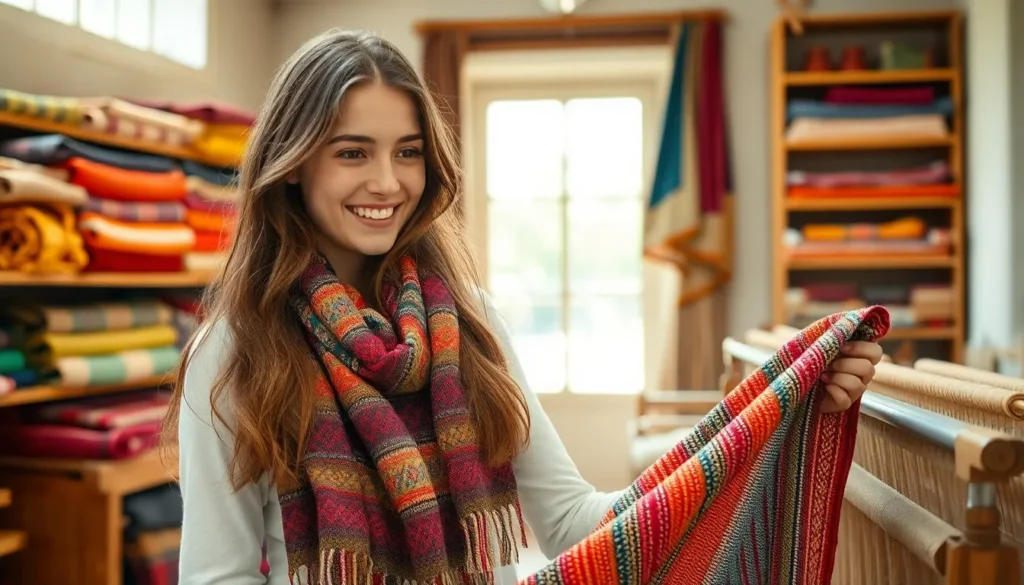
In the ever-evolving world of fashion, weaving isn’t just for grandma’s cozy blankets anymore. It’s a dynamic art form that stitches together tradition and modern style, creating fabrics that can make or break a wardrobe. Whether it’s the intricate patterns of a handwoven scarf or the bold textures of a contemporary dress, weaving adds character that mass-produced fabrics simply can’t match.
Overview of Weaving in Fashion
Weaving reflects a rich heritage that has evolved across cultures, establishing its significance in fashion. It integrates various techniques and styles, thereby enhancing the aesthetic appeal of garments. Traditional weaves like twill and satin exhibit distinct textures and patterns, enriching fabric choices for designers. Contemporary fashion utilizes these unique weaves to craft garments that resonate with individuality.
Handwoven fabrics stand out for their craftsmanship, often telling a story behind each creation. Artisans infuse personal touches into their work, resulting in one-of-a-kind pieces such as scarves, shawls, and dresses. These unique textiles attract consumers looking for authenticity in their wardrobe choices.
In recent years, the resurgence of sustainable fashion has propelled weaving back into the spotlight. Eco-friendly practices emphasize organic materials and ethical production methods, driving demand for handwoven items. Brands are increasingly collaborating with traditional weavers to create exclusive collections that celebrate heritage while appealing to modern sensibilities.
Weaving techniques also extend beyond fabric construction, influencing design elements such as color combinations and motifs. This creativity fosters innovation, inspiring designers to push boundaries with their collections. Various fashion shows and exhibitions now spotlight weaving as a focal point, illustrating its versatility and impact.
Weaving in fashion embodies a blend of tradition and modernity. By using varied techniques and engaging artisans, the industry continually revitalizes its approach to textile design. Unique handwoven contributions add depth to the fashion narrative, ensuring its place in contemporary wardrobes.
Historical Significance
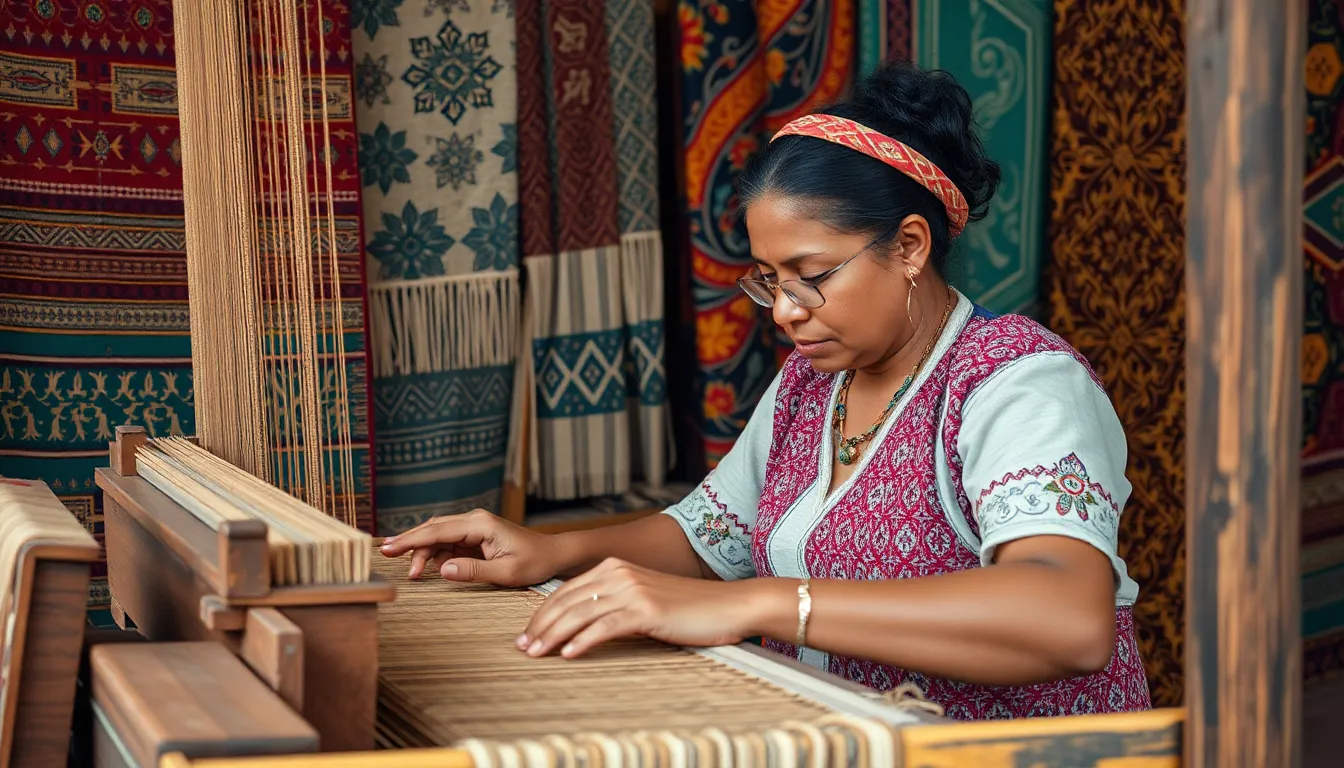
Weaving holds deep historical significance, reflecting cultural identities and craftsmanship. Various techniques developed over centuries continue to influence fashion.
Ancient Techniques
Ancient civilizations pioneered weaving methods that remain relevant today. Techniques like plain, twill, and satin emerged in regions such as Mesopotamia, Egypt, and China. Each technique carried unique characteristics, giving rise to various textile patterns. For instance, Egyptians used linen woven from flax, symbolizing luxury and status. In contrast, indigenous cultures created intricate designs representing their histories and environments. Artisans passed down these methods through generations, solidifying their importance in cultural narratives. Their craftsmanship showcases the intersection of art and utility, emphasizing the relationship between fabric and identity.
Evolution Through the Ages
As societies evolved, so did their weaving practices. The Middle Ages saw advancements with the introduction of looms, enabling more complex designs and textures. During the Renaissance, weaving transformed into a prominent art form across Europe, with elaborate tapestries telling stories of mythology and history. The Industrial Revolution shifted weaving toward mechanization, leading to mass production. This democratization of textiles made diverse fabrics accessible to the masses, changing fashion dynamics. Today, a revival of traditional techniques alongside modern innovations shapes contemporary fashion, with designers intertwining history and modernity in their collections.
Contemporary Weaving Techniques
Contemporary weaving techniques blend tradition with innovation, creating diverse applications in the fashion industry. Two primary methods dominate: handweaving and machine weaving.
Handweaving vs. Machine Weaving
Handweaving showcases artisans’ craftsmanship, producing unique textiles with intricate patterns. Each piece often reflects an individual creator’s vision, imbuing fabrics with personality and emotional depth. Machine weaving, on the other hand, enables higher production speeds and consistency across large quantities. Many brands incorporate both techniques, allowing for a balance between exclusivity and practicality. The choice between these methods can significantly affect a brand’s aesthetic and target market, creating a dynamic landscape in fashion.
Eco-Friendly Practices
Eco-friendly practices within weaving highlight a growing commitment to sustainability. Artisans frequently use natural fibers and dyes, reducing environmental impact. Many contemporary fashion brands focus on ethically sourced materials, fostering responsible consumption. Recycling and upcycling also play essential roles, as designers repurpose waste into new textiles. Retro-inspired designs become not only stylistically appealing but also environmentally sustainable. Collaboration with local artisans strengthens community ties, ensuring traditional techniques continue while meeting modern ecological standards.
Weaving Styles in Fashion
Weaving encompasses a variety of styles that contribute to the distinctiveness of fashion today. Unique patterns and textiles often define the visual identity of garments, enhancing their appeal.
Popular Patterns and Textiles
Tartan showcases a checked pattern associated with Scottish heritage. This vibrant design frequently appears in skirts, jackets, and accessories. Jacquard weaving creates intricate motifs through a complex process, resulting in textiles with lush textures. The versatility of denim, a staple in casual wear, offers durability alongside comfort. Another noteworthy style is ikat, where threads are dyed prior to weaving to produce mesmerizing patterns. Each of these textiles illustrates how weaving influences contemporary fashion trends by adding depth and character.
Cultural Influences on Weaving
Many cultures around the globe shape the art of weaving. The Navajo Nation, for example, is known for its distinctive rugs, which tell stories through patterns and color palettes. Similarly, Indian weaving traditions, including brocade and khadi, highlight regional craftsmanship and heritage. African kente cloth exemplifies rich cultural symbolism through vibrant colors and intricate designs. These culturally influenced techniques not only preserve history but also inspire modern fashion designers to create innovative pieces that celebrate their origins.
Notable Designers and Brands
Several designers and brands stand out for their exceptional use of weaving in fashion. Each brand embraces the art of weaving, showcasing its significance in modern design.
Case Studies
Isabel Marant exemplifies the integration of handwoven fabrics into contemporary styles. Her collections often feature intricate textiles that reflect a blend of tradition and modern aesthetics. In a similar vein, Missoni combines vibrant colors and patterns, using jacquard techniques to create unique clothing that celebrates the heritage of weaving. Another notable example is Hermès; it maintains a rich tradition of craftsmanship by handcrafting its famous scarves, emphasizing quality and artistry. These case studies highlight the successful incorporation of weaving, revealing its profound impact on luxury fashion.
Innovations in Design
Innovative techniques are reshaping textile design, driving the evolution of weaving. Designers like Azzedine Alaïa utilize digitally woven fabrics, pushing the boundaries of texture and pattern in their creations. Additionally, Stella McCartney champions eco-friendly practices; she often incorporates sustainable materials into her collections, promoting environmental responsibility. Emerging labels, such as Reformation, focus on upcycling traditional fabrics to create trendy, modern garments that appeal to conscious consumers. These design innovations not only elevate weaving but also demonstrate its potential in crafting futuristic styles.
Weaving’s evolution from a traditional craft to a modern fashion staple underscores its enduring significance in the industry. It embodies a rich tapestry of cultural heritage and innovative design that resonates with today’s consumers. The fusion of traditional techniques with contemporary practices not only enhances the aesthetic appeal of garments but also champions sustainability. As designers continue to explore the depths of weaving, they create unique pieces that tell stories and celebrate craftsmanship. This dynamic interplay between history and innovation ensures that weaving will remain a vital force in shaping the future of fashion.


