
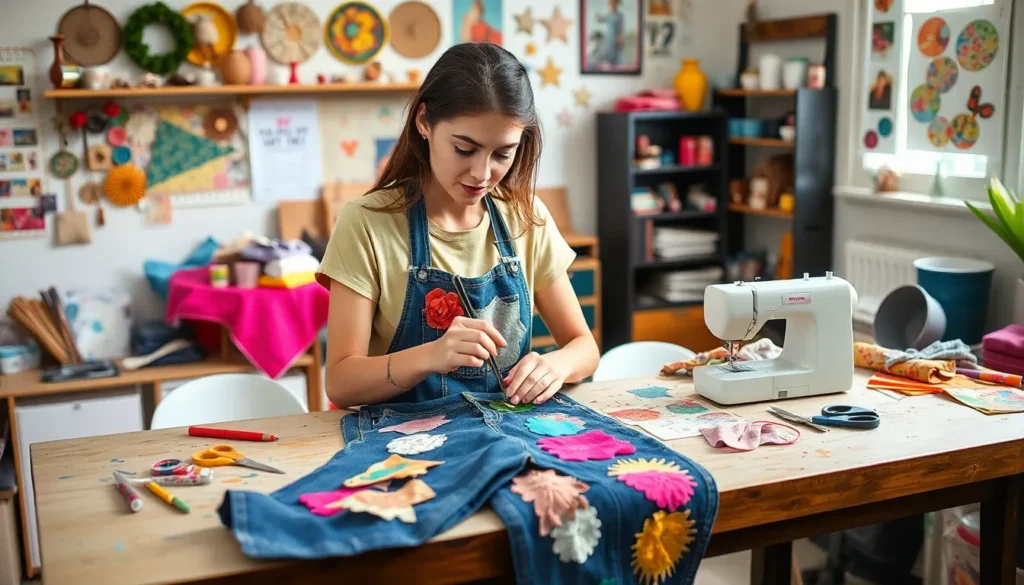
In a world where fast fashion reigns supreme, DIY fashion emerges as a refreshing antidote. It’s not just about saving a few bucks; it’s a creative revolution that lets individuals express their unique style without breaking the bank. Who needs a designer label when you can turn an old pair of jeans into a chic handbag or transform a plain tee into a runway-worthy masterpiece?
What Is DIY Fashion?
DIY fashion refers to the creative practice of designing, creating, or altering clothing and accessories. Individuals engage in this trend to express their unique style, breaking free from the uniformity of fast fashion. Many find satisfaction in repurposing items, like transforming old jeans into stylish handbags or upgrading plain t-shirts into trendy outfits.
Creativity plays a significant role in DIY fashion projects. It fosters innovation, as people experiment with techniques like sewing, dyeing, and embellishing. Community workshops and online tutorials provide valuable resources for those starting their DIY journey, facilitating skill development and knowledge sharing.
Economics also come into play within the DIY fashion realm. By choosing to create rather than purchase, individuals save money while building a wardrobe that reflects their personality. This not only reduces personal spending but contributes to sustainability efforts by minimizing textile waste.
The accessibility of materials enhances the appeal of DIY fashion. Thrift stores, garage sales, and even online marketplaces offer affordable items for customization. Eco-conscious materials, such as organic fabrics or secondhand clothing, align with the values of many DIY enthusiasts, promoting environmentally friendly practices.
Creativity flourishes through collaboration in the DIY community. Social media platforms host countless groups and hashtags, allowing individuals to share their creations and gain inspiration. This network encourages support and exchanges ideas, further enriching the DIY fashion experience.
Benefits of DIY Fashion
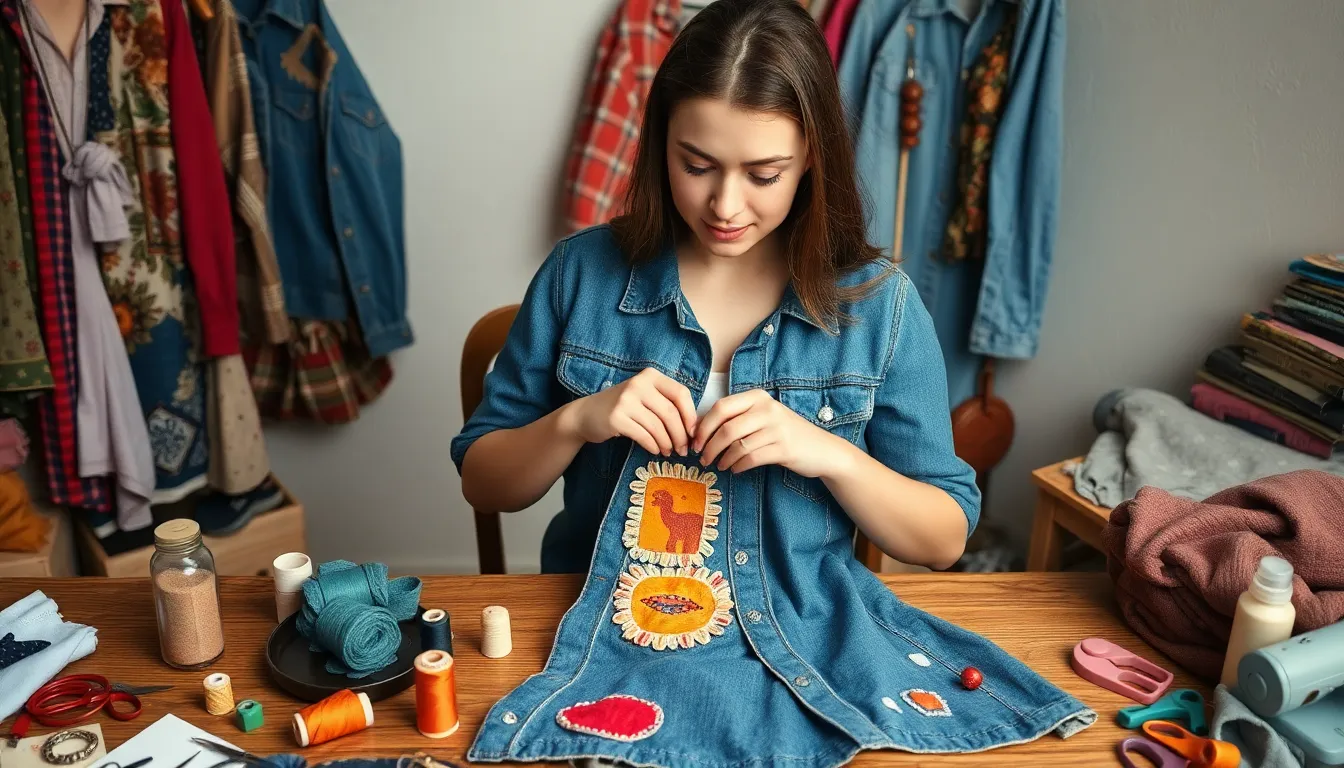
DIY fashion provides significant advantages that extend beyond personal creativity. Engaging in these projects cultivates skills while promoting economic savings and individuality.
Cost Savings
Creating one’s fashion pieces often results in substantial savings. Thrift stores offer affordable materials for upcycling, with prices frequently lower than store-bought alternatives. Individuals can transform items like jeans into stylish bags or update t-shirts inexpensively. Major expense reductions can occur, especially when crafting entire outfits. Seasonal sales and discount marketplaces enhance access to budget-friendly resources, making DIY fashion accessible for many. Consequently, the ability to design and create at a fraction of retail costs appeals to a wide range of fashion enthusiasts.
Unique Creations
Custom designs stand out in DIY fashion. Individuals express their unique tastes through personalized clothing and accessories, fostering an authentic style. Techniques like dyeing, sewing, and embellishing play a crucial role in ensuring that no two creations are alike. It’s possible to infuse personality into every garment, showcasing flair and originality. Projects like reconstructing an old jacket or designing a unique piece enrich wardrobes with distinctive options. By tapping into their creativity, individuals cultivate pieces that reflect who they are, further distinguishing themselves from the mass-produced items in fast fashion.
Popular DIY Fashion Projects
DIY fashion projects allow individuals to express creativity while customizing their wardrobe. Two popular categories within this movement are upcycling clothing and creating custom accessories.
Upcycling Clothing
Upcycling clothing transforms old garments into new, stylish pieces. Individuals can turn outdated jeans into trendy bags, enhancing both functionality and aesthetics. Sewers might experiment with patchwork designs to breathe new life into worn fabrics. Many tutorials online guide enthusiasts step-by-step through the process. This practice not only saves money but also promotes sustainability by reducing textile waste. Using materials from thrift stores provides an affordable source for upcycling projects. Experimenting with various dye techniques can also create unique effects, showcasing individual creativity.
Custom Accessories
Custom accessories elevate any outfit, combining style and personal flair. Designers can create one-of-a-kind jewelry using beads, wire, and other materials. Many choose to make statement necklaces or personalized bracelets reflective of their personality. Fabric scraps can transform into unique headbands or handbags, ensuring each piece feels special. Customized footwear, such as painted sneakers, allows for further individual expression. Individuals often document their creations on social media, inspiring others with innovative designs. Local craft fairs and workshops provide opportunities for hands-on learning in accessory creation.
Tips for Getting Started with DIY Fashion
Begin this exciting journey by exploring the essential components of DIY fashion. Making informed choices can enhance creativity and streamline the process.
Choosing the Right Materials
Selecting quality materials is critical for successful DIY projects. Look for natural fabrics like cotton and linen, as they offer versatility and ease of manipulation. Thrift stores often provide a variety of inexpensive options, enabling upcycling efforts. Recycled textiles or remnants from local craft shops can spark innovation. Consider sustainable alternatives, such as organic materials, to benefit both the environment and personal style. Ensure that chosen fabrics align with the intended project, as different textures can influence the final result.
Basic Tools You Will Need
Gathering the right tools simplifies the crafting process. Scissors designed for fabric ensure clean cuts, while a measuring tape enhances precision in designs. Sewing machines offer speed and efficiency for larger projects, making them invaluable. If sewing by hand, needles and thread in various colors help achieve diverse effects. Fabric glue provides a no-sew option for embellishments and repairs. Additionally, a cutting mat protects surfaces during cutting. Having a toolbox or portable container keeps tools organized and easily accessible. Prioritize basic tools to maximize creativity and ensure project success.
DIY fashion empowers individuals to embrace their creativity while making sustainable choices. By transforming old garments and creating unique accessories, they not only save money but also contribute to a more eco-friendly approach to fashion. The thrill of crafting personalized pieces fosters a sense of accomplishment and individuality that fast fashion simply can’t provide.
As the DIY community continues to grow, resources like online tutorials and local workshops make it easier than ever to get started. With the right materials and tools, anyone can embark on their DIY journey, turning their wardrobe into a reflection of their personal style. The possibilities are endless, and the impact is significant, making DIY fashion a rewarding endeavor for all.


