

In a world drowning in fast fashion, upcycled fashion emerges as the superhero we didn’t know we needed. Imagine giving a second life to that old pair of jeans or that vintage dress collecting dust in the back of the closet. It’s like a makeover show for your wardrobe, but without the dramatic music and commercial breaks.
Upcycled fashion isn’t just about saving the planet; it’s about making a statement. By choosing unique pieces crafted from repurposed materials, individuals can flaunt their style while reducing waste. Who wouldn’t want to rock an outfit that’s both eco-friendly and a conversation starter? Let’s dive into the vibrant world of upcycled fashion and discover how to turn yesterday’s treasures into today’s trends.
What Is Upcycled Fashion?
Upcycled fashion transforms discarded garments into stylish, unique pieces. This practice focuses on creativity and sustainability, making it a popular choice for environmentally conscious consumers. Designers often select vintage clothing or damaged textiles and reimagine them into modern outfits that reflect current trends.
Fashion enthusiasts appreciate upcycled items for their individuality. Each piece tells its own story, embodying history and artistry. Shoppers seek these one-of-a-kind creations to stand out from mass-produced fashion, promoting personal expression while also supporting environmental sustainability.
Upcycled fashion significantly reduces waste. It diverts millions of tons of clothing from landfills each year. Statistics show that Americans throw away approximately 81 pounds of clothing per person annually. This alarming number highlights the importance of responsible consumption and disposal practices.
The versatility of upcycled clothing is noteworthy. Designers use various techniques like patchwork, dyeing, and embellishment to enhance the look of old garments. By doing so, they create innovative styles that appeal to a broad audience, from casual wear to high-end fashion.
Communities increasingly embrace upcycled fashion as a trend. Workshops and events often focus on learning skills related to upcycling, such as sewing and crafting. By participating in these activities, individuals connect with others who share similar values about fashion and sustainability.
Upcycled fashion not only represents a commitment to environmental responsibility but also serves as a creative outlet. This movement empowers consumers to make thoughtful choices while enjoying the artistic process of reimagining existing materials.
The Importance of Upcycled Fashion
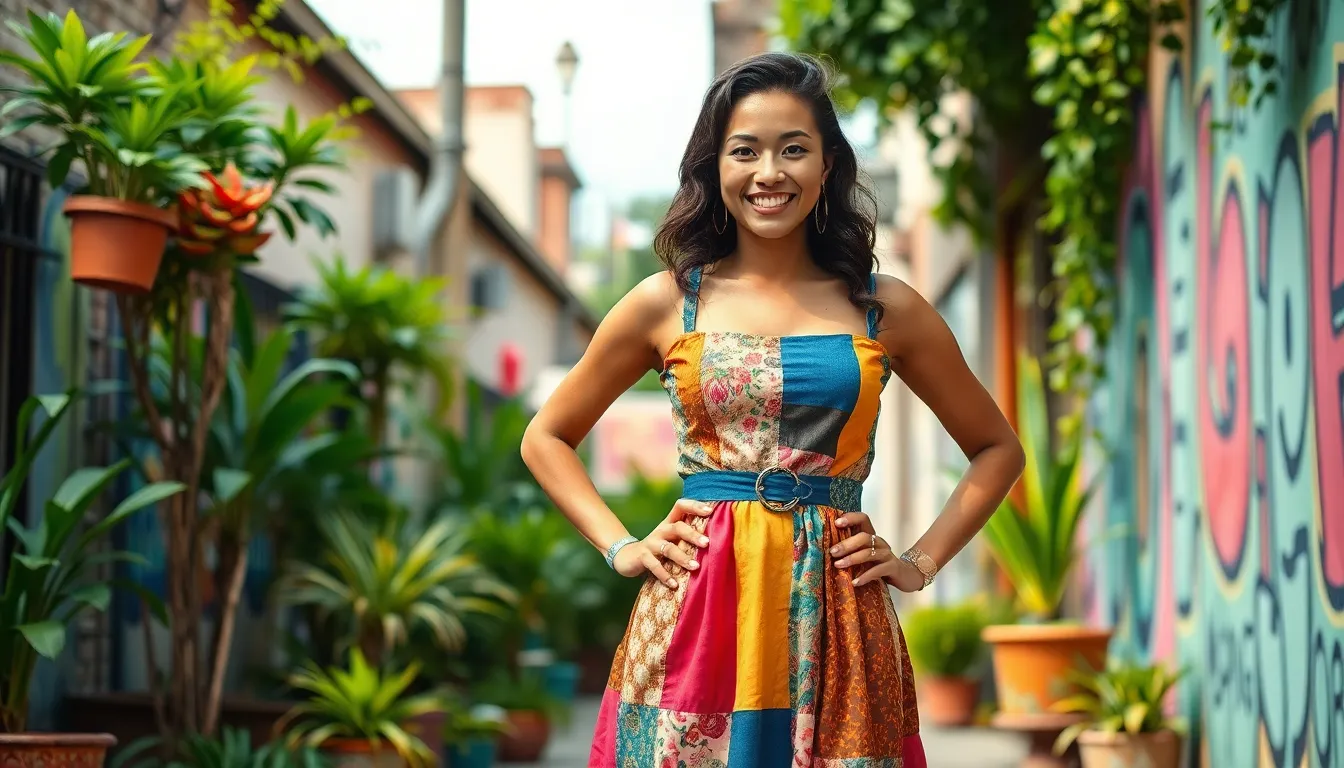
Upcycled fashion plays a crucial role in promoting sustainability and individuality. This movement offers multiple benefits for the environment and the economy.
Environmental Impact
Upcycled fashion significantly reduces waste. Each year, Americans discard approximately 81 pounds of clothing per person, contributing to millions of tons of textiles ending up in landfills. By reimagining discarded clothing, the industry diverts these materials from waste streams. Upcycling also minimizes resource consumption. Recycling fibers requires less water and energy than producing new fabric. Through creativity, designers turn old garments into stylish pieces, which encourages consumers to appreciate the value of sustainable fashion choices.
Economic Benefits
Upcycled fashion supports local economies. Many small businesses thrive on upcycled products, allowing artisans to showcase their creativity. Jobs in the upcycling sector often require skilled labor, which means more opportunities for workers. Moreover, this market attracts environmentally conscious consumers who seek unique items. These shoppers prioritize one-of-a-kind pieces over mass-produced goods, driving demand for upcycled fashion. Ultimately, an increase in sales within this niche can enhance community economies while fostering a culture that appreciates sustainability.
Key Techniques in Upcycled Fashion
Upcycled fashion employs various techniques to creatively transform discarded items into unique pieces. Two prominent methods include fabric reuse and design innovation.
Fabric Reuse
Fabric reuse involves taking existing textiles and repurposing them for new garments. Old clothing, like jeans or shirts, often serve as the foundation for new creations. This method effectively reduces textile waste and extends the life of materials. Clothing that might otherwise be discarded can become part of a fresh design through cutting, patching, or sewing techniques. Reworking fabrics creates reduced reliance on new materials, thus conserving resources. As a result, designers often source materials from thrift stores or personal collections to minimize waste. By reusing fabrics, these designers not only embrace sustainability but also add history to their creations.
Design Innovation
Design innovation plays a crucial role in upcycled fashion, where creativity meets sustainability. Unique pieces often stem from innovative approaches to fashion. Designers might combine various elements, such as mixing patterns or colors, to create eye-catching styles. Techniques like dyeing textiles or adding embellishments help achieve one-of-a-kind looks. By embracing imperfections, designers can enhance their work, celebrating the story behind each piece. This design flexibility attracts consumers who value originality. Innovative upcycled designs continually challenge the conventional notions of clothing, pushing the boundaries of what sustainable fashion can represent.
Notable Brands and Designers
Several brands and designers lead the way in the upcycled fashion movement. Reformation is renowned for its stylish pieces made from reclaimed materials, emphasizing both trendy designs and environmental responsibility. Patagonia incorporates upcycled materials into its outdoor gear, showcasing the effectiveness of sustainable practices in high-performance products.
Next, Etnies features an eco-friendly footwear line crafted from recycled materials, demonstrating a commitment to reducing waste in the fashion industry. Christopher Raeburn is celebrated for his exceptional ability to repurpose military materials into fashionable garments, effectively merging unique style with sustainability. Zero Waste Daniel stands out by utilizing fabric scraps to create one-of-a-kind pieces, emphasizing the importance of resourcefulness in fashion.
Upcycling also thrives through small brands and independent designers. MUD Jeans produces sustainable denim by leveraging recycled cotton and offering a circular model where customers can return old jeans for new ones. Nudie Jeans prioritizes repairable garments made from organic cotton, enhancing the lifecycle of clothing.
In addition, From Somewhere champions reclaimed fabrics to develop chic, limited-edition collections, proving that sustainability can seamlessly intersect with high fashion. Recycrom, a textile innovation brand, transforms post-consumer textile waste into new fabrics, highlighting a revolutionary approach to material sourcing.
These notable brands and designers reflect a growing commitment to sustainability within the fashion industry, demonstrating how creativity and resourcefulness can coexist with ecological responsibility. Each contributor to upcycled fashion plays a vital role in redefining industry standards and inspiring consumers to make environmentally conscious choices.
Upcycled fashion stands as a powerful movement that redefines how individuals view clothing and sustainability. By transforming discarded garments into unique pieces, it not only reduces waste but also fosters creativity and personal expression. This approach encourages consumers to embrace individuality while making environmentally conscious choices.
The rising popularity of upcycled fashion reflects a broader shift toward sustainable practices within the industry. As more designers and brands commit to innovative techniques, they inspire a community dedicated to reducing textile waste. Ultimately, upcycled fashion represents a harmonious blend of style and responsibility, encouraging everyone to rethink their fashion choices and contribute to a more sustainable future.


