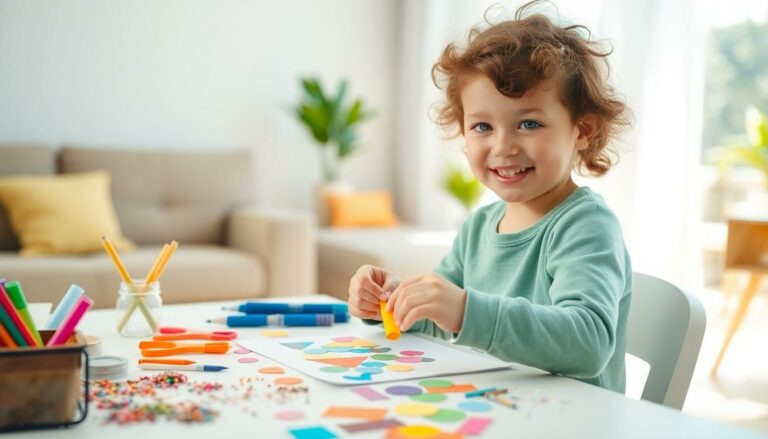
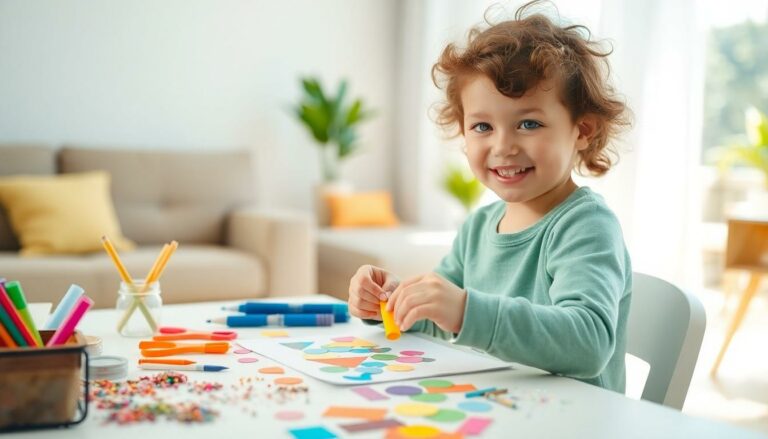
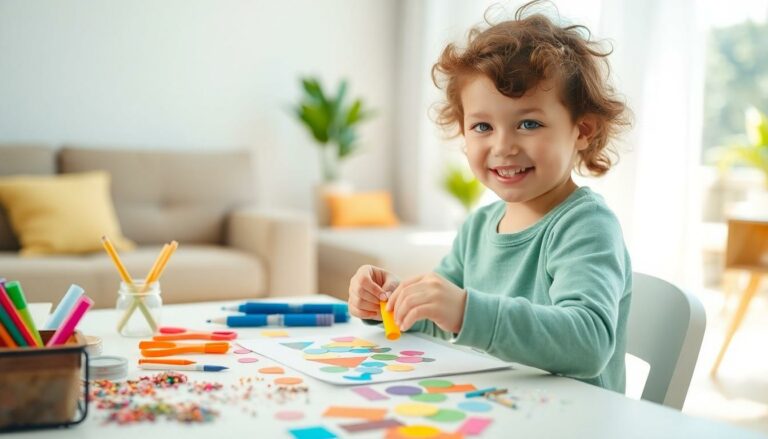
Every parent knows that keeping preschoolers entertained can feel like a full-time job. Enter arts and crafts—a magical world where glitter, glue, and a sprinkle of imagination collide! Not only do these activities keep tiny hands busy, but they also nurture creativity and fine motor skills. Who knew that making a mess could be so beneficial?
Benefits of Arts and Crafts for Preschoolers
Engaging in arts and crafts offers numerous advantages for preschoolers. These activities support various developmental milestones.
Cognitive Development
Cognitive growth occurs through exposure to arts and crafts. Children learn to think critically as they plan their projects. Problem-solving skills improve when they encounter obstacles while creating. They gain an understanding of colors, shapes, and patterns through hands-on experiences. Activities like painting and modeling clay enhance memory retention. Imagination flourishes as children explore different materials and techniques. Skills gained during these projects support academic readiness.
Fine Motor Skills Enhancement
Fine motor skills develop significantly through arts and crafts. Activities like cutting, gluing, and coloring require precise hand movements. Grasping different tools strengthens hand-eye coordination. Manipulating various materials helps improve dexterity. Children learn to control their grip while handling scissors or paintbrushes. Completing projects fosters confidence as they see their creations come to life. These skills play a crucial role in future academic tasks, especially writing. Exposure to arts and crafts lays the foundation for successful physical development.
Popular Arts and Crafts Ideas

Preschoolers thrive on hands-on activities. Engaging them in arts and crafts nurtures their creativity. Below are two categories of popular craft ideas.
Nature-Inspired Crafts
Nature-inspired crafts connect children to the outdoors. Gathering leaves, flowers, and twigs provides materials for creative projects. Making leaf rubbings with crayon and paper showcases natural textures. Creating flower crowns enhances fine motor skills as children thread blooms through string. Additionally, painting rocks presents an opportunity for artistic expression. Each project fosters a sense of wonder and appreciation for the environment.
Seasonal Crafts
Seasonal crafts celebrate changing times of the year. Creating snowflake cutouts during winter encourages scissor skills. Spring brings opportunities for making colorful paper butterflies. In the fall, children can assemble pumpkin decorations from orange paper. Summer activities often involve crafts like seashell necklaces. These projects not only enhance creativity but also teach children about seasonal changes.
Materials Needed for Arts and Crafts
Selecting the right materials enhances the arts and crafts experience for preschoolers. Safe, engaging supplies foster creativity and ensure a positive environment.
Safe and Non-Toxic Supplies
Preschoolers often explore materials with their hands and mouths. Non-toxic paints, markers, and glues minimize health risks. Look for brands that feature child-safe certifications. Natural products, such as vegetable dyes, provide vibrant colors without harmful additives. Biodegradable glitter adds sparkle without compromising safety. Craft papers should ideally be acid-free to prevent any potential allergic reactions. Always check labels before purchasing to prioritize children’s well-being.
Easy-to-Find Household Items
Many useful craft items can be found around the house. Empty containers, like yogurt cups or toilet paper rolls, serve as excellent bases for creative projects. Scrap paper, ribbon, and old magazines offer endless possibilities for collages and decorations. Kitchen supplies, such as sponges and cotton balls, can transform into fun stampers or textures. Everyday utensils, like scissors and spoons, become tools for exploration. Utilizing common items encourages resourcefulness while keeping costs low.
Tips for Successful Arts and Crafts Sessions
Successful arts and crafts sessions keep preschoolers engaged and happy. These tips help create an enjoyable and productive crafting environment.
Setting Up a Creative Space
Create a dedicated area for arts and crafts to encourage focus. Use a table or mat where children can spread out their materials. Lay down a protective covering like newspaper to catch messes. Arrange supplies within reach, including scissors, glue, and various papers. Ensure the space has good lighting for visibility. Keep it organized to minimize distractions. Having plenty of room allows for movement, fostering creativity as kids work on their projects.
Encouraging Imagination and Expression
Promote free expression by allowing children to choose their projects. Suggest themes but avoid strict guidelines. Invite them to experiment with colors, textures, and materials. Ask open-ended questions to stimulate their thinking, such as “What do you want to create today?” Encourage storytelling through their artwork, connecting projects to their experiences or fantasies. Celebrate their efforts by displaying completed crafts prominently at home. Positive feedback builds confidence and inspires future creativity.
Conclusion
Arts and crafts offer preschoolers a unique opportunity to explore their creativity while developing essential skills. Engaging in these activities not only keeps children entertained but also nurtures their cognitive and motor development in an enjoyable way.
By incorporating nature-inspired and seasonal projects, parents can create memorable experiences that connect kids to their environment. Choosing safe materials and setting up a dedicated crafting space enhances the overall experience.
Celebrating each child’s artistic efforts fosters confidence and encourages a lifelong love for creativity. Embracing arts and crafts is a wonderful way to support preschoolers on their developmental journey.